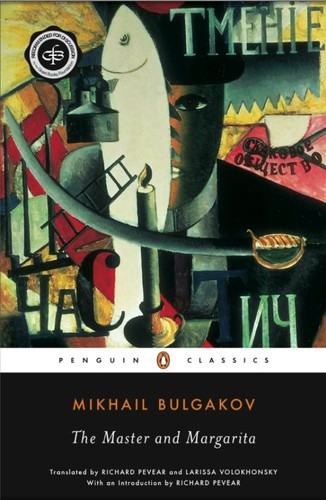
I went in expecting Dostoevsky-adjacent gloom, based on nothing but the reputation of Russian literature in general, and got something closer to a fever dream vaudeville act with genuine theological weight underneath it. The Devil, going by Woland, shows up in Soviet Moscow with a retinue that includes a gun toting cat named Behemoth, and proceeds to expose the petty greed and cowardice of the literary establishment through increasingly chaotic set pieces, a magic show that ends with the audience’s clothes vanishing, a severed head that keeps talking. It should not hold together as a novel. It holds together.
The book was published posthumously, decades after Bulgakov wrote it under censorship that guaranteed he’d never see it in print, and knowing that colors every satirical jab at the Moscow literary bureaucracy, MASSOLIT and its jealous hacks, with an extra layer of personal grievance turned into art. The Pontius Pilate chapters, the novel within the novel that the Master has written, run on a completely different register, hushed and grave, and the way Bulgakov cuts between the two without ever quite letting you settle is the real structural trick here, more than the demons.
I’ll admit the back half loses a little momentum once Margarita’s plotline takes over and the book leans harder into pure spectacle, the witches’ ball goes on a while. But even at its most chaotic this has more genuine wit per page than almost anything else in translation I’ve read this year, and the ending, quiet, earned, genuinely moved me in a way the earlier comic chapters gave no warning of.